
5 Tips for Reducing the Risk of Stumbles and Falls
Promo:
One in four Americans over the age of 65 falls each year, and every 11 seconds, an older adult goes to the emergency room due to falling. Even with eye-opening stats like these, many falls can be prevented with a few preventive measures.
Blog:
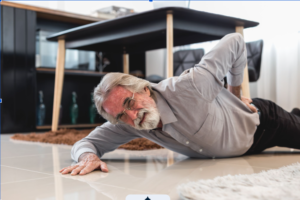
Of the many health issues people face as they grow older, slips and falls are among the more common dangers. In fact, one in four adults over the age of 65 in the United States falls each year, and 95% of hip fractures result from falling. Falls are the leading cause of fatal injury in older adults.
While we don’t want to scare you unnecessarily, Dr. Alice Ajim of Texas Medical & Geriatric Center, with two offices in Houston and one in Sugar Land, Texas, understands the clear and present danger that falls pose.
As a board-certified geriatrician and internist, she offers patients the following steps to help keep them or a loved one on their feet.
1. Stay active
It may seem counterintuitive to become more active when you want to avoid falling, but the fact is that physical fitness can play a key role in fall prevention. Many falls are due to declining physical fitness and loss of balance, two areas that a good exercise regimen can improve.
Exercise, even as simple as walking, helps strengthen and flex your soft tissues and prevents bone loss, which is key to avoiding fractures if you fall.
2. Check those eyes
Another common cause of falls and stumbles is poor eyesight. As you age, your eyes have a harder time making out smaller objects or seeing in low light. This decline can progress gradually, so we suggest you have your eyes checked regularly if you’re over 65. A simple pair of corrective lenses can help you better navigate the world around you and avoid many potential hazards.
While we’re on the topic of eyesight, it’s helpful to ensure your home’s lighting is adequate and that switches and lamps are within easy reach. Things like small plug-in lights in dark areas (stairs and unlit corners) can also go a long way toward lighting your way forward.
3. Eliminate hazards in the home
It may be impossible to eliminate tripping hazards around the house; however, there are some obvious ones you should tackle first, such as loose throw rugs and exposed cords. The goal is to ensure that your surroundings are battened down, so removing wobbly tables and chairs and keeping paths clear is paramount.
It’s essential, too, to stay on top of these efforts. If your grandchildren come over, for example, recognize that kids tend to leave things everywhere, so thoroughly scan your home after they go.
4. Use a little support
If you have an assistive device, such as a walker or cane, we urge you to use it at all times. We know it can be frustrating to deal with these devices, but their support is well worth the effort if they keep you from stumbling or falling.
On the home front, we also suggest adding support where needed. While a sturdy handrail on stairs is crucial, consider those less obvious areas where you might need a little extra help, especially in the bathroom. Rails in the tub or around the toilet are extremely helpful in providing the additional support you need to maneuver in these tight spaces.
5. Undergo a fall risk evaluation
This last tip is incredibly valuable. Our team understands the risk factors for falls and thoroughly assesses them during your fall risk evaluation. If we identify any potential fall risk, we work with you to design an appropriate prevention plan that meets your physical needs and lifestyle goals.
With a few changes on your end and a little help from ours, we can significantly reduce the risk of falling, allowing you or your loved one to continue living a healthy, active life.
To schedule a fall risk evaluation or to learn more about fall prevention, contact Dr. Alice at Texas Medical & Geriatric Center today.
Comments are closed.